Why I Call Myself a Paparazza of the Virgin Mary — Not of the Rich and Famous
On attention, public space and the act of looking.
I was recently called a paparazza. I’m half Italian, and I photograph people in the street, so I’ll accept that — with one correction: I’m a paparazza of the Virgin Mary. Not of the rich and famous.
I’m not interested in celebrities. I’m interested in attention: who receives it, who controls it and who disappears when it moves elsewhere.
I document what I find unacceptable. That some people have no home. That some live inside forms of distress the world has learned not to see.
I take pictures because I need to look at their faces again, so I never forget those who need to be remembered.
I capture the greed we cultivate too. For more things. Not more people. The obsession we have with our latest selfie, or the two little hairs in our nose.
I photograph advertisements towering above ordinary bodies, workers absorbed into machinery, unofficial words written over official ones, absurd scenes, people whom commerce and architecture quietly push into the background, and pain wherever it appears — in the poor and the rich.
I’m trying to understand human behaviour: who the city looks at, and who it looks through. The reality we share in a digital, consumer era in which attention is constantly captured, directed and sold.
I’ve locked eyes with people who hated having their photograph taken. A few enjoyed it. Others did not notice. Then there are those who see me, assess the situation and continue. Their awareness becomes part of the photograph.
Sometimes the person looks directly back, and the direction of attention reverses. I become visible too.
Humans fascinate me. It’s a show out there I would watch every single day of my life — if I could. If I really listened to what calls my name.
The way we work, the way we stare at each other. The way we beg, each in our different manner, the way we ignore, the way we smile, the way we all compete with one another. The way we show our fears and our anger. The way we love. The way we let our eyes wander in forgotten places.
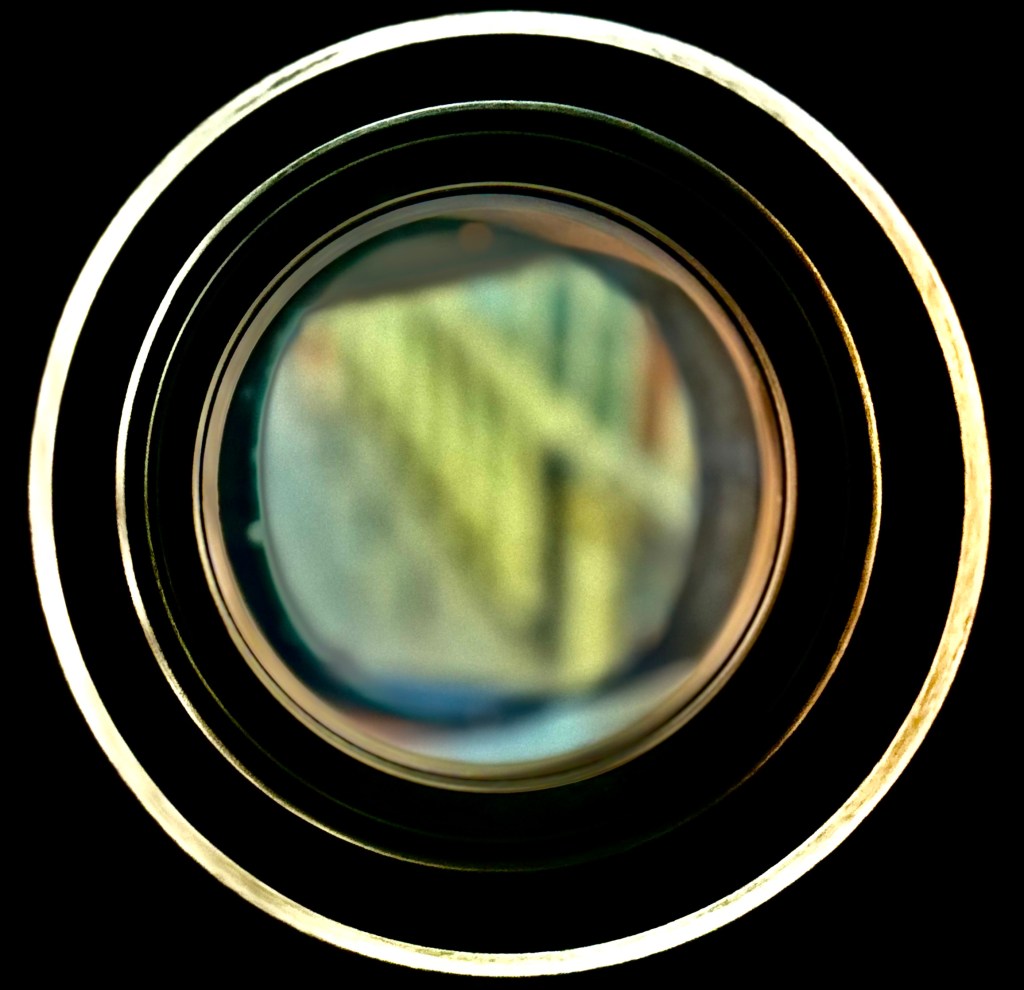
I work with an iPhone because it belongs to the visual language of the street. A camera announces the photographer before the photograph exists.
I may resemble a tourist, a distracted pedestrian or simply another person absorbed in their phone. That uncertainty gives me a few seconds.
“Oh, she’s that girl…”
Yes, that’s right.
I do not always play the role perfectly. Sometimes I’m simply smiling and photographing. I’m in the moment and forget to adjust my expression to the person on the other side of the lens.
A phone is not invisible. Sometimes it makes people more suspicious because they cannot understand what I’m doing or why.
I am not searching for suffering as spectacle. Nor do I believe that looking automatically produces compassion. A photograph can expose, simplify or sentimentalise the person inside it.
But not looking is also a decision.
We are becoming disconnected. Technologies and brands catch our attention, but not our hearts — the place our energy should really come from.
I want to ask why one image commands attention while the person beside it disappears. And what changes when the person we are looking at looks back.
I can only show what I saw, from where I stood.
Yours truly,
Constance
(No Blabs)
